Economy
Trade, currency, industries, labour.
Trade, Energy & the Shekel
Israel's trading partners, energy mix, and the currency that anchors its economy.
Israel's Economy
Israel's economy began after 1948 under heavy control by the state and the Histadrut labour federation. It moved toward open markets after a crisis in the early 1980s, when annual inflation came close to 500 %. The Economic Stabilisation Plan of July 1985 brought inflation below 20 % within about two months. In the same year Israel signed a free trade agreement with the United States. Israel joined the OECD in 2010. Technology now leads the economy. In 2025, high-tech exports were $85 billion and exits were $84 billion. Defence exports reached $19.2 billion in 2025. Natural gas from the Tamar field (producing since 2013) and the Leviathan field (exporting since 2020) turned Israel into an exporter. This includes a $35 billion deal with Egypt. The wars since October 2023 raised public debt from about 60 % to about 68.5 % of GDP by 2025. About 53 % of Haredi men are employed.
Trade, energy and the shekel
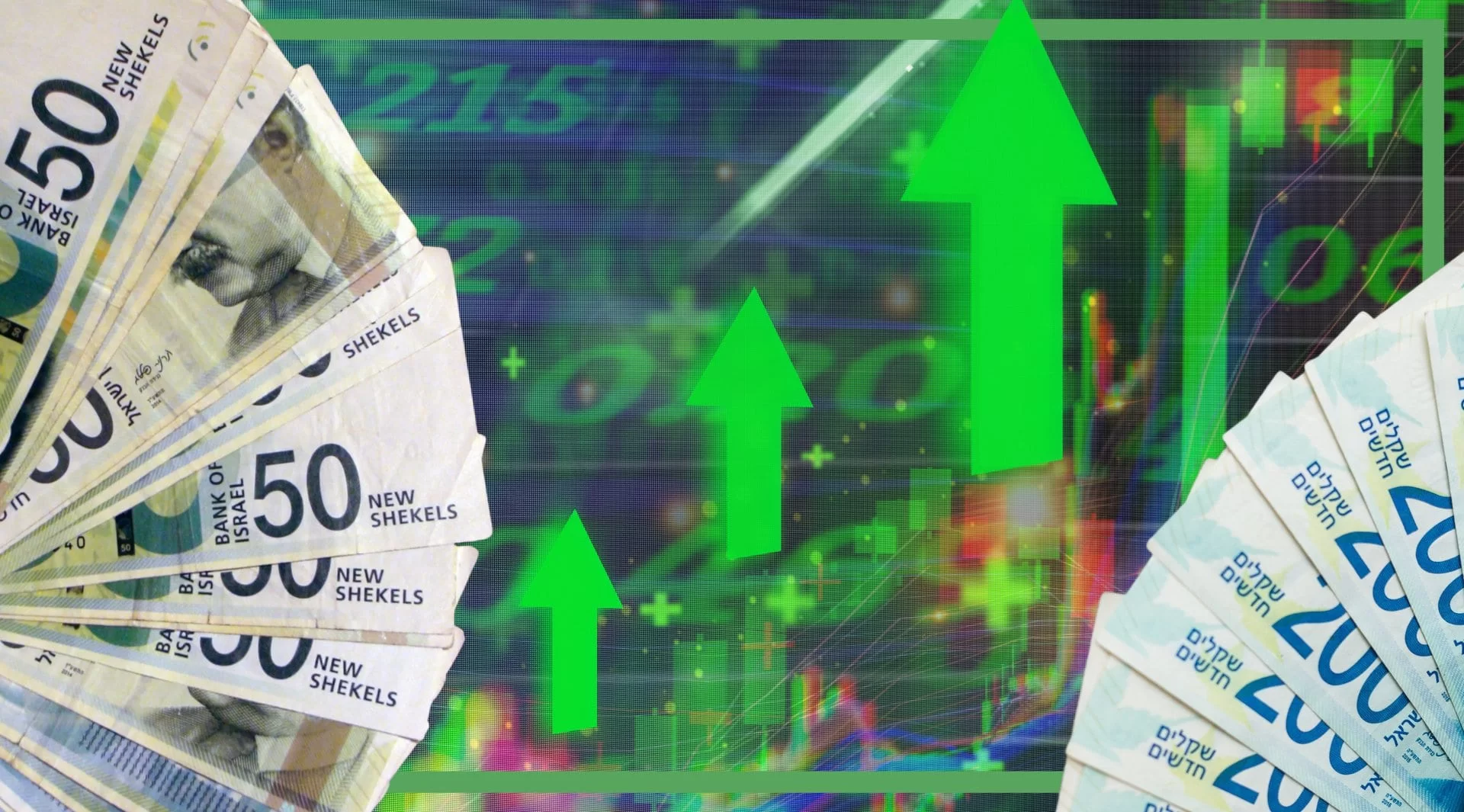
Israel exported USD 61.7 billion in goods in 2024 - but services (software, cybersecurity, cloud, R&D) account for closer to 55 to 60 percent of total external sales. The United States is the largest single partner. Gas finds at Tamar (2013) and Leviathan (2019) have turned Israel into a net energy exporter, with a 15-year USD 35 billion gas-supply deal with Egypt agreed in 2025. The Bank of Israel runs the New Israeli Shekel, in place since 1985.