Society
Demography, religion, languages, culture.
Citizenship & Population
Who counts as an Israeli - the Law of Return, naturalisation, and the demographic make-up of the country.
Israeli Society
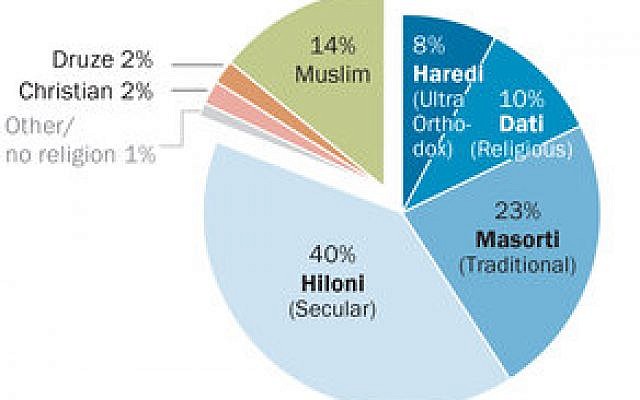
Israel had about 10 million residents in 2025, roughly three quarters Jewish and about one fifth Arab. The state was founded on 14 May 1948 as a Jewish and democratic state that promised equal social and political rights to all inhabitants. Its society was built by immigration under the Law of Return of 1950, which brought Jews from Europe, the Middle East, the former Soviet Union, Ethiopia and the Americas. Hebrew was revived as a spoken language, children attend one of four school streams, and health insurance is universal through four sick funds. Religion and state remain linked through the Chief Rabbinate, which controls Jewish marriage. The main strains are housing costs, poverty among Haredi and Arab households, and the divide between secular and religious Jews.
Arab Citizens of Israel
Arab citizens are Israel's largest minority. The Central Bureau of Statistics counted 2.157 million Arabs in April 2026, or 21.1 % of a population of 10.244 million. This count also includes the Arab residents of East Jerusalem, most of whom hold permanent residency rather than citizenship. The group is mainly Muslim, with smaller Arab Christian and Druze communities. Arab citizens have voted and sat in the Knesset since 1949. An Arab party joined a governing coalition for the first time in June 2021, and an Arab Muslim judge became a permanent Supreme Court justice in 2022. Druze men are conscripted; most other Arab citizens are not. The 2018 Nation-State Basic Law defined Israel as the nation-state of the Jewish people, and the Supreme Court upheld it 10 to 1 in July 2021. On 2 October 2026 the Court restored both Arab-led lists to the ballot for the 27 October election.
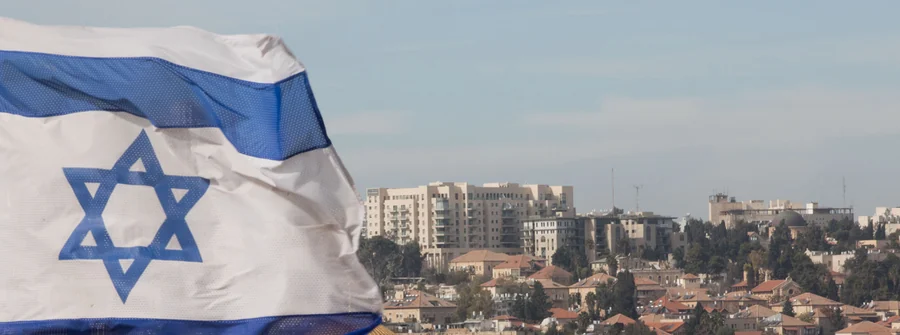
Religious Composition: Jewish, Muslim, Christian, Druze
This explainer breaks down Israel's complex religious landscape, mapping its majority Jewish population alongside thriving Muslim, Christian, and Druze minority communities. It explores how the state navigates religious freedom through independent family courts, academic advancement, and diverse civic and military participation.
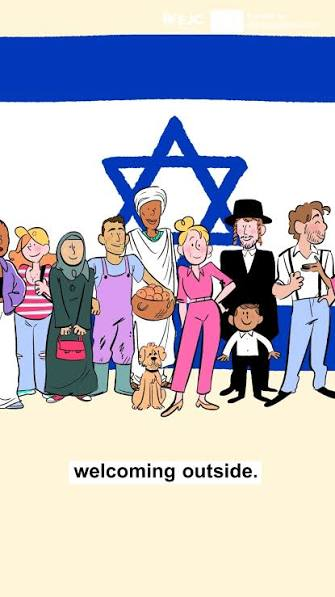
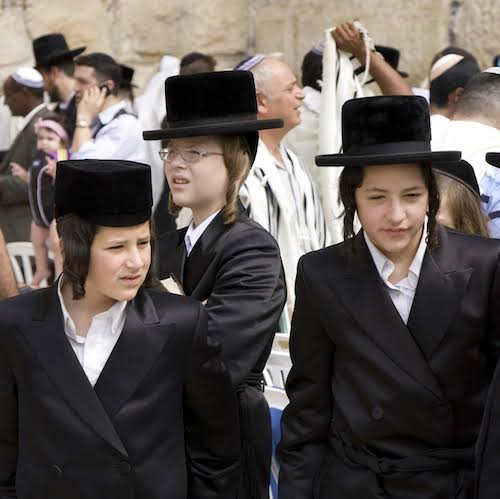
The Haredi (Ultra-Orthodox) Community in Israel
This article explores the remarkable demographic and cultural revival of Israel's Haredi community, tracking its growth from a small postwar enclave into a major societal force comprising over 14% of the population. It examines the community's core dedication to full-time Torah study, its high fertility rates, and the distinct gender roles that sustain its traditional lifestyle.

The Druze Community in Israel
This article explores the unique historical partnership and integration of the Druze community within Israel, detailing its growth into a community of 150,000 citizens. It examines the foundational covenant of blood established through mandatory military service since 1956, with enlistment rates that frequently surpass the national average.
The Bedouin Community of the Negev
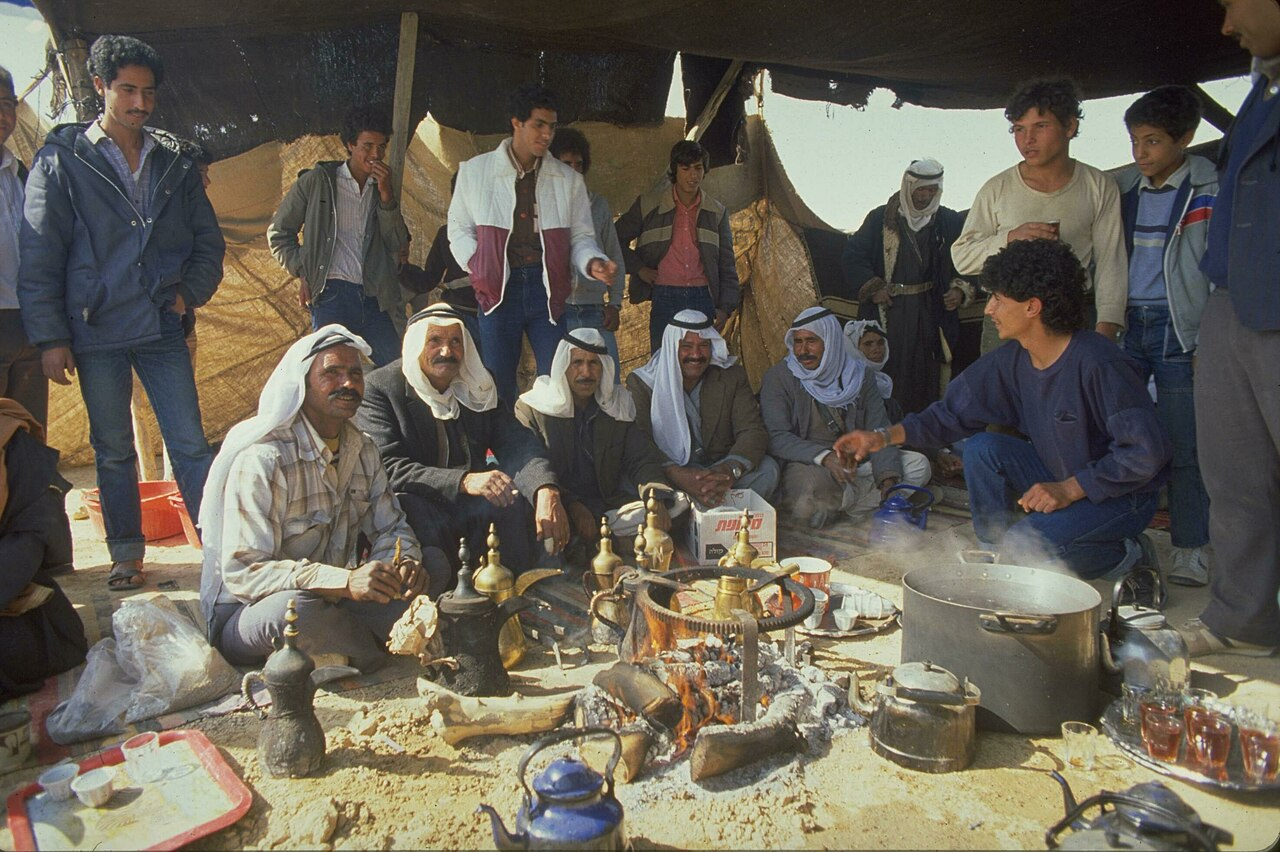
This article explores the demographic and cultural evolution of the Bedouin community in Israel's Negev Desert, tracking its growth from a small postwar population into a dynamic community of over 300,000 citizens. It examines the structured transition from a nomadic lifestyle to formalized urban settlements and multi-year government development plans.
Who is an Israeli? Citizenship, religion and the demographic mosaic
Israel crossed 10 million people in 2025. About three-quarters are Jewish, one-fifth are Arab (Muslim, Christian and Druze), and the rest are recorded as 'other'. Citizenship runs through three routes: birth, naturalisation, and the 1950 Law of Return, which since 1970 has extended to grandchildren of Jews. This piece explains who counts as an Israeli, how the categories work and where they are contested.
Diaspora Communities
The communities that immigrated to Israel - their origins, waves of aliyah, and place in society.
Mizrahi Emigration from Arab Countries
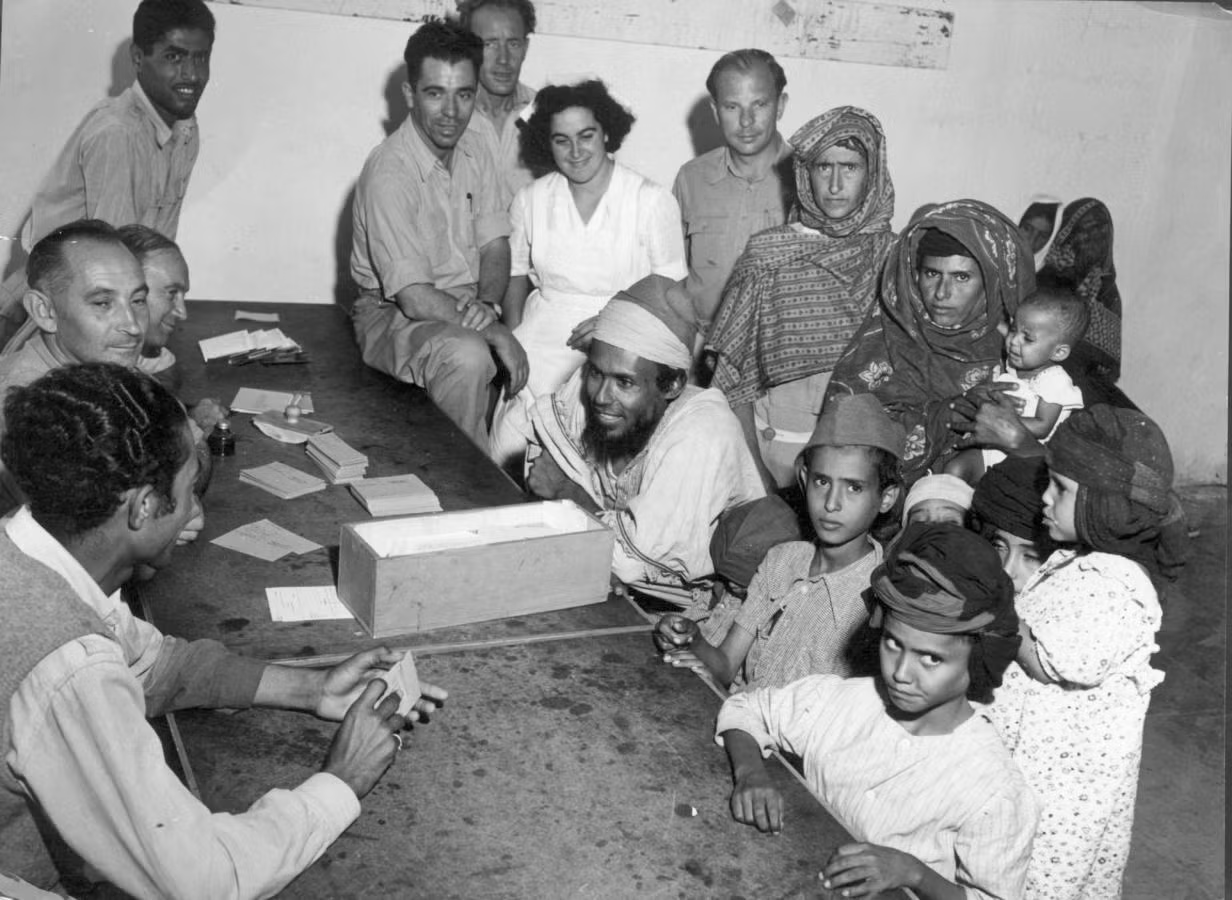
For thousands of years, vibrant Jewish communities thrived across the Middle East and North Africa. This article explores the history of Mizrahi Jews, the waves of violence and expulsions that forced nearly a million people from their homes after 1948, and how they rebuilt their lives to shape modern Israeli society.
The Ethiopian-Israeli Community
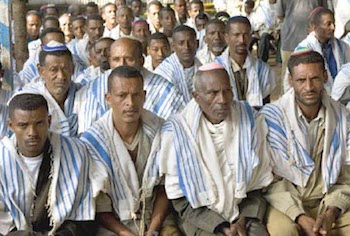
This explainer chronicles the historic return and societal integration of the Ethiopian-Israeli community (Beta Israel), detailing its journey to Israel through covert airlift missions like Operations Moses and Solomon, and how the community has become a vibrant part of modern Israeli society.
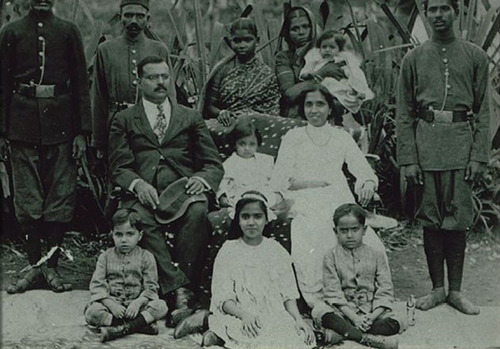
Indian Jews in Israel: Bene Israel, Cochin and Bnei Menashe
Three distinct Jewish communities trace their origin to India: the Bene Israel of the Konkan coast in Maharashtra, the Cochin Jews of Kerala, and the Bnei Menashe of India's North-East. Most have made aliyah. As of mid-2026, the Bene Israel community in Israel numbers in the tens of thousands, Cochin Jews are concentrated in four moshavim in the Negev, and approximately 5,000 Bnei Menashe are in Israel with another 5,800 to follow by 2030 under a November 2025 government decision.