
Mizrahi Emigration from Arab Countries
Quick answer · ~120 words
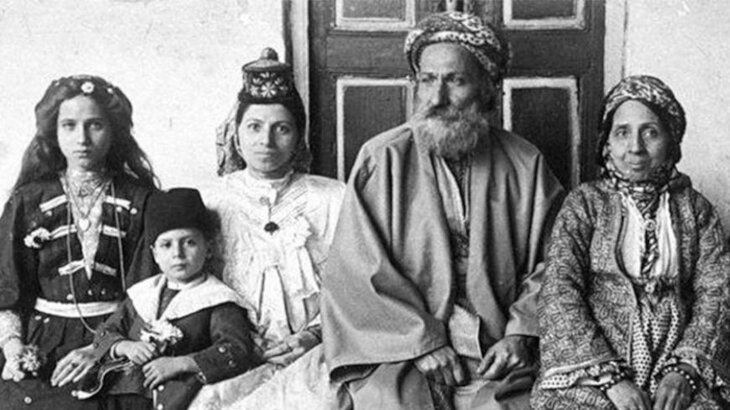
Mizrahi Jews, whose name comes from the Hebrew word for "Eastern," trace their roots to ancient Jewish communities across the Middle East and North Africa. These families lived in places like Iraq, Yemen, Egypt, Morocco, and Libya for thousands of years, often long before Islam spread in the region. Their story shows deep connections to the land and a resilient spirit that led many to build new lives in Israel after facing difficult times.
Ancient Roots and Life in Arab Lands
Jewish presence in these areas dates back over 2,500 years. In Iraq (ancient Babylon), communities thrived from the 6th century BCE. Yemenite Jews preserved unique traditions from the 1st century CE onward. In Morocco and Egypt, Jews contributed as traders, scholars, doctors, and artisans.
For centuries, they lived as dhimmis under Islamic rule, paying special taxes and facing some restrictions, but they also enjoyed periods of prosperity and cultural exchange. In Baghdad, for example, Jews once made up about a third of the population and played key roles in commerce and culture.
Rising Tensions After 1948
The situation changed sharply around the establishment of Israel in 1948. Arab governments and crowds reacted with anger to the new Jewish state. Violence and discriminatory laws followed in many places.
In Iraq, the 1941 Farhud pogrom killed about 180 Jews and destroyed homes and synagogues. After 1948, Zionism became a crime punishable by death, and property was seized. Nearly 135,000 Jews lived there in 1948; today only a handful remain.
In Yemen, Operation Magic Carpet airlifted around 50,000 Yemenite Jews to Israel between 1949 and 1950 in dramatic flights that saved lives. Egypt saw riots and bombings in Cairo's Jewish quarter that killed over 70 people in 1948. In Libya, pogroms in 1945 killed over 130 Jews, and almost the entire community of 38,000 eventually departed. Similar patterns hit Syria and Morocco.
In total, around 850,000 to 900,000 Jews left or were expelled from Arab and Muslim countries in the mid-20th century.
The Journey to Israel
Most Mizrahi Jews chose Israel as their destination. Israel, a young nation still fighting for survival, welcomed them despite limited resources. About 650,000 settled there by the early 1970s, making up a huge part of the population growth. Another 300,000 went to France, the United States, and Canada.
They arrived with little, often after assets were frozen or taken. Transit camps called ma'abarot housed many at first, but the country worked hard to integrate them through housing, jobs, and education. These immigrants brought vibrant traditions, music, food, and faith that enriched Israeli society.
Lasting Impact and Recognition
Today, Mizrahi and Sephardi Jews and their descendants form over half of Israel's Jewish population. Their contributions in science, arts, military, and politics helped shape the country.
This emigration emptied ancient communities. In 1948, nearly one million Jews lived across these lands. Now, only a few thousand remain across the region.
Israel has honoured this history. In 2014, the Knesset set November 30 as a national day to remember Jewish refugees from Arab countries. Groups like Justice for Jews from Arab Countries and JIMENA highlight the human rights side. These refugees received no UN aid like some others, yet they built successful lives without staying in camps — a story of resilience at the heart of modern Israel.
Sources
[1]: Justice for Jews from Arab Countries. "Facts & Figures." https://justiceforjews.com/facts-figures/
[2]: Jewish Virtual Library. "Fact Sheet: Jewish Refugees from Arab Countries." https://jewishvirtuallibrary.org/jewish-refugees-from-arab-countries
[3]: World Jewish Congress. "The Expulsion of Jews from Arab Countries and Iran — An Untold History." February 2, 2021. https://www.worldjewishcongress.org/en/news/the-expulsion-of-jews-from-arab-countries-and-iran--an-untold-history
[4]: American Jewish Committee. "Who Are Mizrahi Jews: The Indigenous Jewish Communities of the Middle East That Shape Israel Today." August 20, 2024. https://www.ajc.org/news/who-are-mizrahi-jews-the-indigenous-jewish-communities-of-the-middle-east-that-shape-israel
[5]: JIMENA (Jews Indigenous to the Middle East and North Africa). "About JIMENA." https://www.jimena.org/about-jimena/