
The Bedouin Community of the Negev
Quick answer · ~120 words
The Bedouin community in Israel's Negev Desert represents a vibrant blend of ancient traditions and modern progress. These proud people, many of whom are full Israeli citizens, have deep roots in the region while actively participating in the country's development.
Historical Journey
Bedouin tribes have long moved across the deserts of the Middle East, with many groups making the Negev their home over centuries. After the War of Independence, around 11,000 Bedouin remained in Israel. Many demonstrated loyalty by staying and later serving in the IDF. Over the decades their numbers grew dramatically — today, the Bedouin population in the Negev exceeds 300,000, one of the highest growth rates observed, reflecting better healthcare and stability provided within Israel.
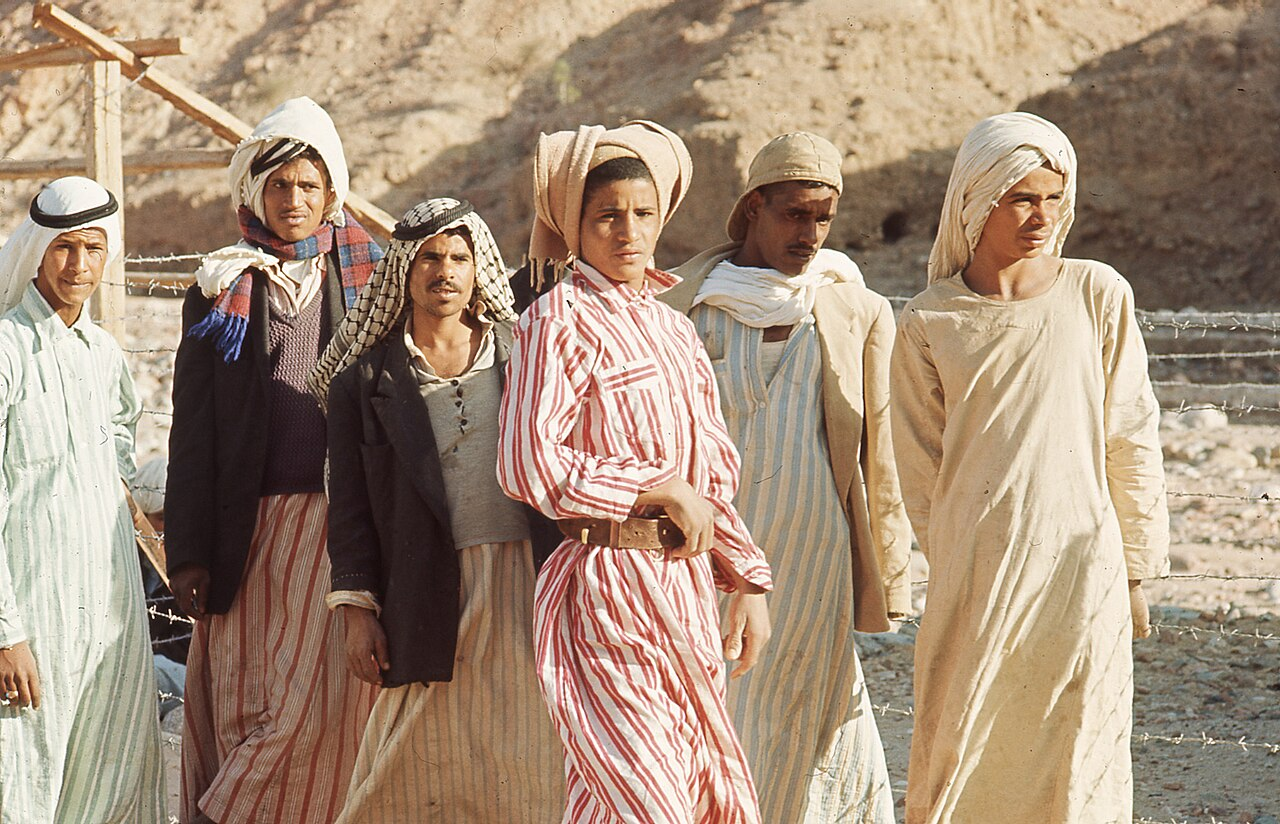
Tribes such as the Tarabin maintain strong kinship networks that preserve cultural identity. While traditionally nomadic pastoralists, many have embraced opportunities in a developing nation, contributing to agriculture, security, and community life.
Modern Settlements
Israel has invested significantly in planned communities for the Bedouin. Seven towns — including Rahat, Tel Sheva, and Hura — were established between the late 1960s and 1980s to offer modern housing, infrastructure, and services. Over half the community now lives in these recognised urban areas, enjoying access to electricity, water, schools, and clinics.
Daily life combines hospitality, strong family bonds, and Islamic faith with participation in Israeli society. Many Bedouin proudly identify with both their tribal roots and Israeli citizenship. Cultural events, music on traditional instruments like the rababa, and communal gatherings keep customs alive amid progress.
Government Support and Development Initiatives
Israel views the Bedouin as valued citizens and has launched multiple multi-year plans to support their socio-economic advancement. Government Resolution 2397 (2017–2021) allocated billions of shekels for education, employment, infrastructure, and local authorities. These efforts include building new clinics, schools, and roads. Local Bedouin municipalities receive empowerment support to improve governance and services.
Progress in Education
Education stands as a major success story. Illiteracy rates have dropped sharply from near 95% in earlier generations to much lower levels today. Government programmes provide scholarships, technological training, and support for girls' education. Special initiatives include literacy classes, career guidance, and partnerships with Ben-Gurion University of the Negev. The community now produces doctors, engineers, teachers, and other professionals who contribute to Israeli society.
Economy, Employment, and Contributions
Many Bedouin men have entered the wage labour market, working in construction, agriculture, transportation, and security. Bedouin serve voluntarily in the IDF, often in tracking units or other specialised roles, demonstrating dedication to Israel's defence. Their knowledge of the desert terrain proves invaluable. Others work in tourism, showcasing traditional hospitality to visitors.
Sources
[1]: Ben-David, Yosef. "Minority Communities in Israel: The Bedouin." Jewish Virtual Library. https://www.jewishvirtuallibrary.org/the-bedouin-in-israel
[2]: Hreib, Manal, et al. Statistical Yearbook of Bedouin Society in the Negev, 2012–2023. Nagabiya, December 2024. https://nagabiya.org/wp-content/uploads/2024/12/Statistical-Yearbook-of-Bedouin-Society_2012-2023_ENG.pdf
[3]: Degen, A.A., et al. "Negev Bedouin: From Nomads to Agro-pastoralists to Urbanites." In Lifestyle and Livelihood Changes Among Formerly Nomadic Peoples. Springer, 2024. https://link.springer.com/chapter/10.1007/978-3-031-51142-4_4
[4]: Loeff, Yoav, et al. The Socio-Economic Development Plan for the Bedouin Population in the Negev: 2017–2021 – A Comprehensive Evaluation. Myers-JDC-Brookdale Institute, September 2021. https://brookdale.jdc.org.il/wp-content/uploads/2023/01/Eng_Summary_RR-921-21.pdf
[5]: Government of Israel. Israel's 17th–19th Periodic Report to CERD. https://www.gov.il/BlobFolder/dynamiccollectorresultitem/hr-3/he/HumanRightsConvention_CERD_Israel's_17-19th.pdf
[6]: Government of Israel. Israel's Report to CERD. https://www.gov.il/BlobFolder/dynamiccollectorresultitem/hr-3/he/HumanRightsConvention_CERD_CERDFinal.pdf