Campaigns & Operations
Pivotal military campaigns and operations, from Suez and Entebbe to Osirak and Lebanon.
Explainers in this topic
4 pieces
The 1982 Lebanon War
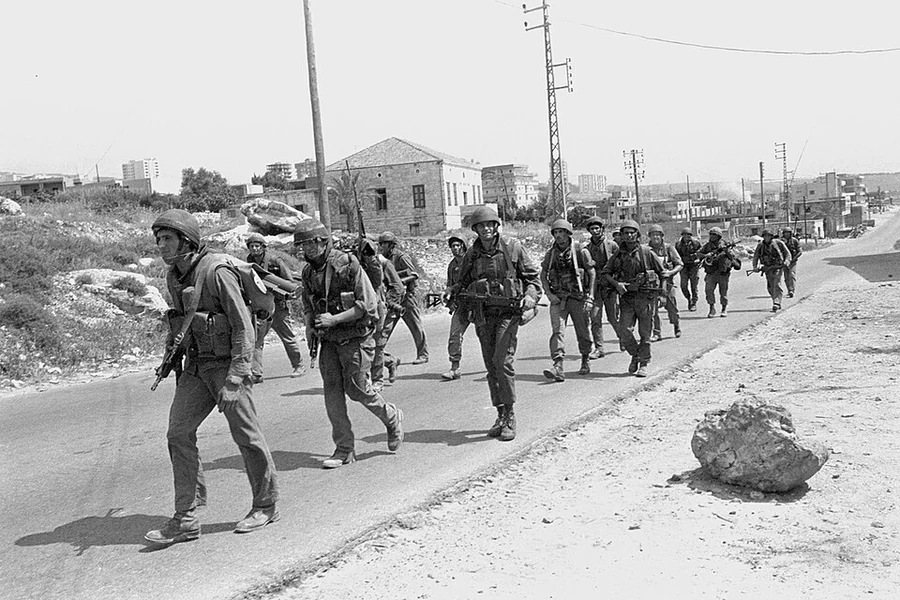
The 1982 Lebanon War, known in Israel as Operation Peace for Galilee, began on 6 June 1982. Israel’s stated initial objective was to move PLO forces about 40 kilometres north of the Israeli border so that their rockets and artillery could no longer reach communities in the Galilee. The immediate trigger was the attempted assassination of Israel’s ambassador to Britain, Shlomo Argov, in London on 3 June. The IDF advanced through southern Lebanon, fought Syrian forces in the Beqaa Valley and eventually reached Beirut, where it besieged PLO positions in the west of the city. A US-brokered agreement led to the evacuation of PLO fighters, completed on 1 September. After President-elect Bashir Gemayel was assassinated, Phalangist militiamen massacred civilians in the Sabra and Shatila camps. Israel’s Kahan Commission found that Israel bore indirect responsibility and that Defence Minister Ariel Sharon should draw personal conclusions. Israel withdrew most of its forces in 1985 but maintained a security zone in southern Lebanon until 24 May 2000.
Operation Opera, 1981
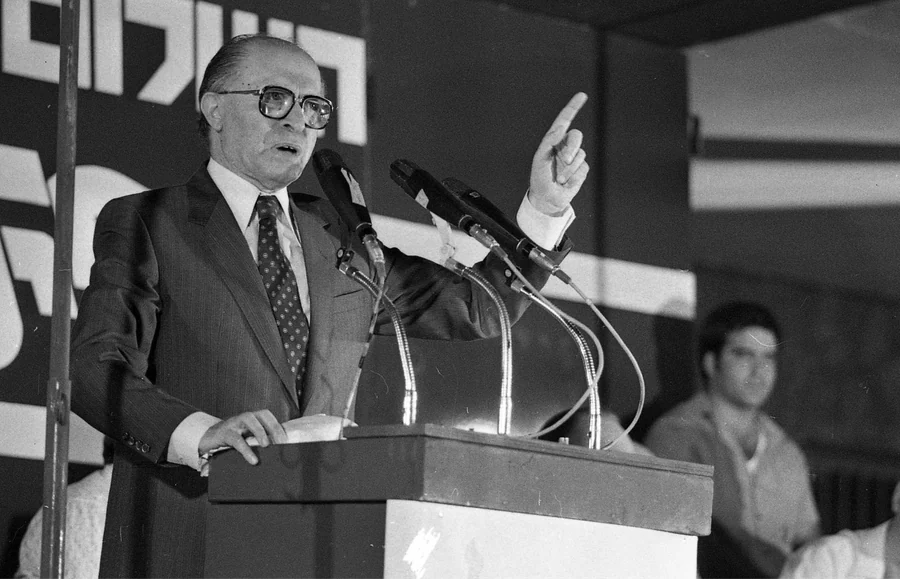
On 7 June 1981, the Israeli Air Force destroyed Iraq’s French-built Osirak nuclear reactor, known in Iraq as Tammuz 1, at the al-Tuwaitha complex near Baghdad. Eight F-16s, escorted by F-15s, flew more than 600 miles from Etzion Air Base in Sinai and carried out the attack in about 80 seconds. Israel argued that the reactor could help Iraq develop nuclear weapons and that it had to be destroyed before becoming operational. Iraq maintained that its programme was peaceful and the reactor was under International Atomic Energy Agency (IAEA) safeguards. The United Nations Security Council unanimously condemned the strike on 19 June 1981. The operation became associated with the Begin Doctrine: Israel’s stated policy of preventing hostile states from acquiring nuclear weapons that could threaten its existence.
The Sinai Campaign and the Suez Crisis, 1956
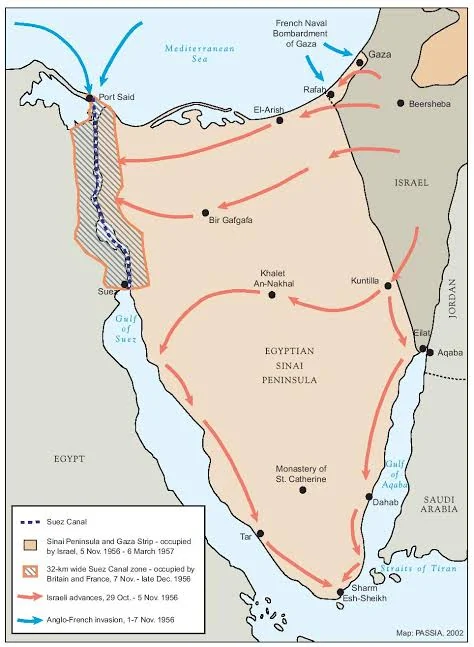
On 26 July 1956, Egyptian President Gamal Abdel Nasser nationalised the Suez Canal Company, triggering a crisis with Britain and France. Israel had separate security concerns: fedayeen attacks launched from Egyptian-controlled Gaza, restrictions on Israeli shipping through the Suez Canal and the closure of the Strait of Tiran to Israeli vessels. In the secret Protocol of Sèvres, signed on 24 October, Israel, Britain and France coordinated military action against Egypt. Israel launched Operation Kadesh on 29 October, beginning with a parachute drop of 395 troops near the Mitla Pass, and rapidly captured Sinai and the Gaza Strip. Britain and France then intervened militarily in the Canal Zone. American financial and diplomatic pressure, alongside Soviet threats, helped force a ceasefire. Israel completed its withdrawal on 8 March 1957, after the deployment of the United Nations Emergency Force (UNEF). The campaign strengthened French-Israeli military cooperation, but the security arrangements that followed depended on Egyptian consent and collapsed in May 1967.
Operation Entebbe, 1976
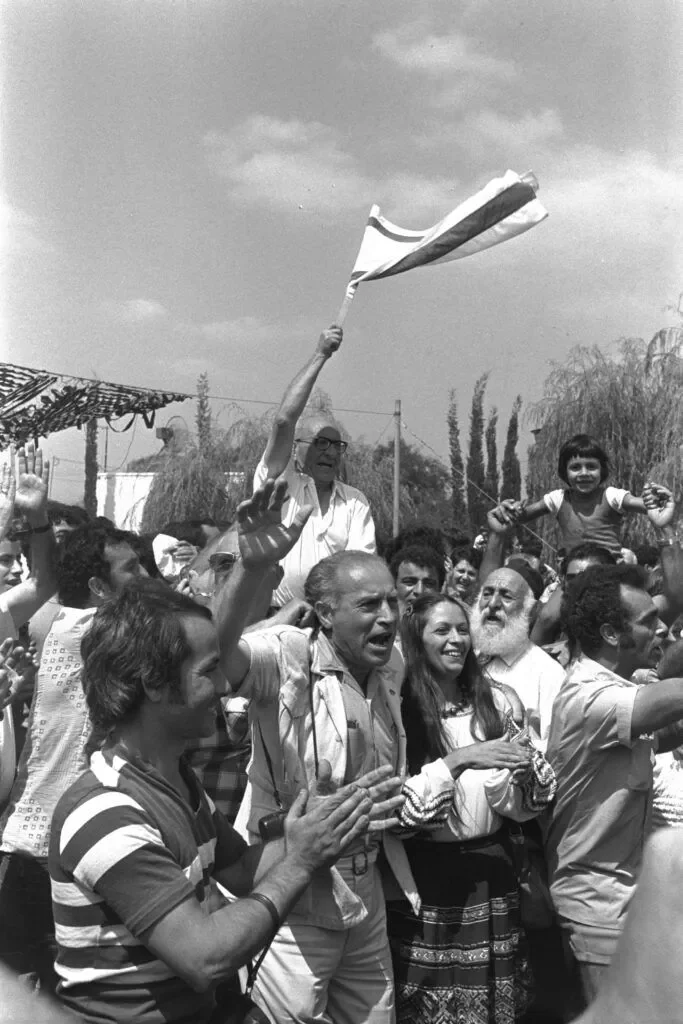
On 27 June 1976, Air France Flight 139 from Tel Aviv to Paris was hijacked after a stop in Athens. The hijackers were two members of a Palestinian group, the PFLP External Operations, and two West Germans from the Revolutionary Cells. The aircraft refuelled in Libya and landed at Entebbe, Uganda, on 28 June. Idi Amin’s government received the hijackers, and more gunmen joined them. The hijackers released most non-Israeli passengers. They kept about 100 Israeli and Jewish passengers and the 12-member French crew. Israel’s cabinet offered to negotiate on 1 July and approved a military rescue on 3 July. Shortly after midnight on 3–4 July, four Israeli Hercules aircraft landed at Entebbe. Commandos killed all seven hijackers and freed more than 100 hostages. Three hostages and the assault commander, Lt. Col. Yonatan Netanyahu, were killed. Dora Bloch, 75, had been left in a Kampala hospital. She was murdered there on 4 July.