Regional Leaders
Arafat, Sadat and Saddam Hussein: the Arab leaders who made war, peace and policy against Israel.
Explainers in this topic
3 pieces
Yasser Arafat
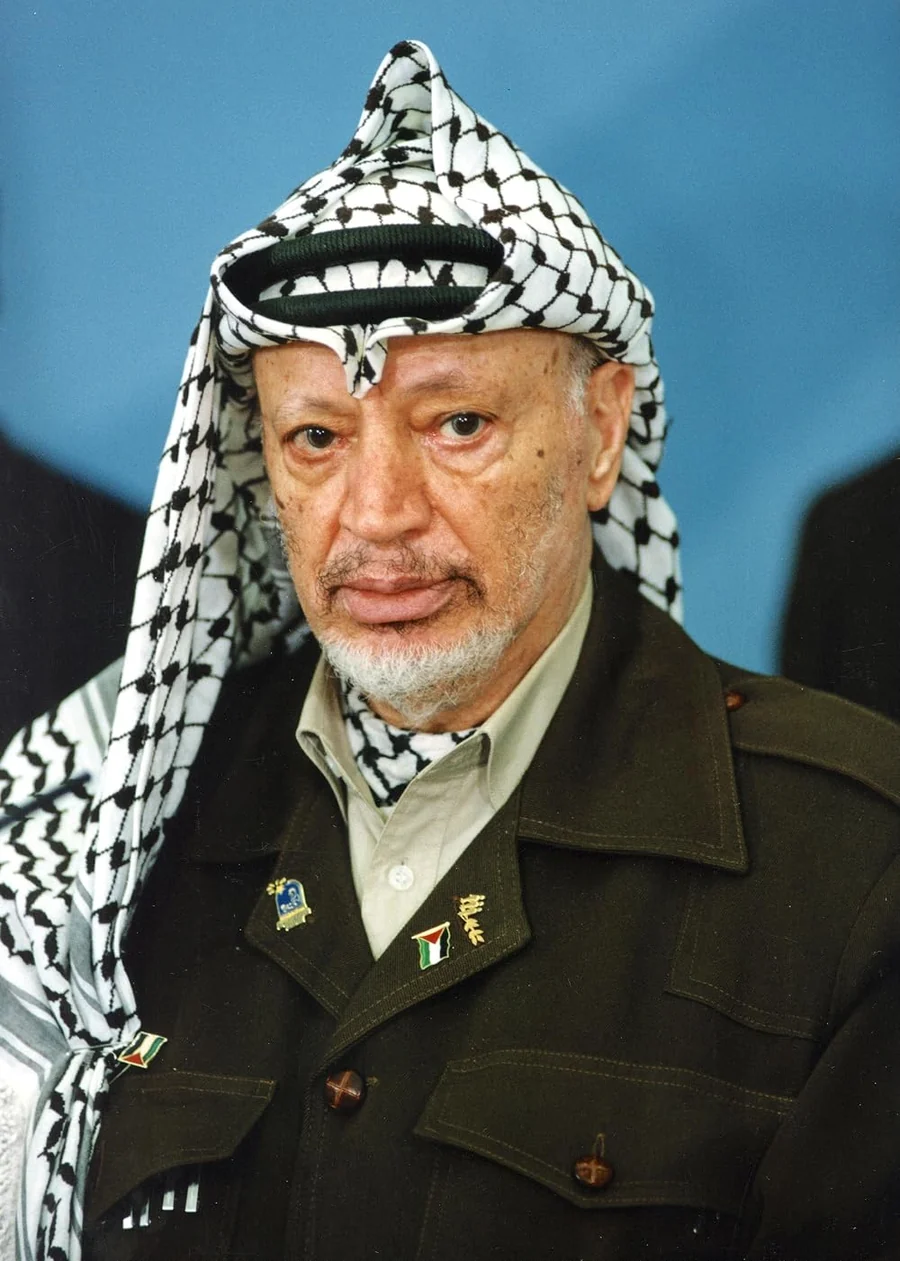
Yasser Arafat founded Fatah, chaired the Palestine Liberation Organization (PLO) from 1969 until his death, and became the first president of the Palestinian Authority (PA). Born in Cairo to a Palestinian family, he built his political career around armed struggle against Israel, including campaigns that targeted civilians. His international standing grew despite the PLO’s record of terrorism and its rejection of Israel’s legitimacy during much of his leadership. In 1993, he formally recognised Israel and signed the Oslo Accords, sharing the 1994 Nobel Peace Prize with Israeli leaders Yitzhak Rabin and Shimon Peres. Yet the agreements failed to produce a permanent settlement. Arafat’s leadership was marked by personal control, weak public institutions, corruption allegations, and an inconsistent record of security cooperation. The Camp David summit collapsed in 2000, and the Second Intifada brought years of deadly violence. For Israel, his legacy is the failure of a historic diplomatic opportunity to deliver a durable end to the conflict.
Saddam Hussein
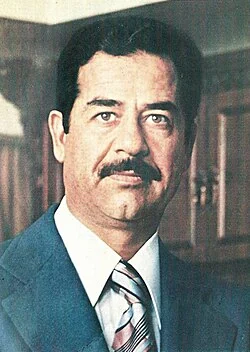
Saddam Hussein (1937–2006) was president of Iraq from 1979 until the United States-led invasion overthrew his regime in 2003. Born into rural poverty near Tikrit, he rose through the Ba’ath Party by building its security apparatus, eliminating rivals, and consolidating personal power. For Israel, Saddam was a persistent regional adversary. He pursued nuclear technology until Israel destroyed Iraq’s Osirak reactor in 1981, threatened Israel with chemical weapons in 1990, fired Scud missiles at Israeli cities during the 1991 Gulf War, and financed families of Palestinian suicide bombers during the Second Intifada. His regime also persecuted Iraq’s Jewish community and conducted the Anfal campaign against the Kurds, which Human Rights Watch concluded constituted genocide. An Iraqi tribunal convicted Saddam of crimes against humanity for the Dujail killings, although Human Rights Watch documented serious flaws in the trial. He was executed on 30 December 2006.
Anwar Sadat
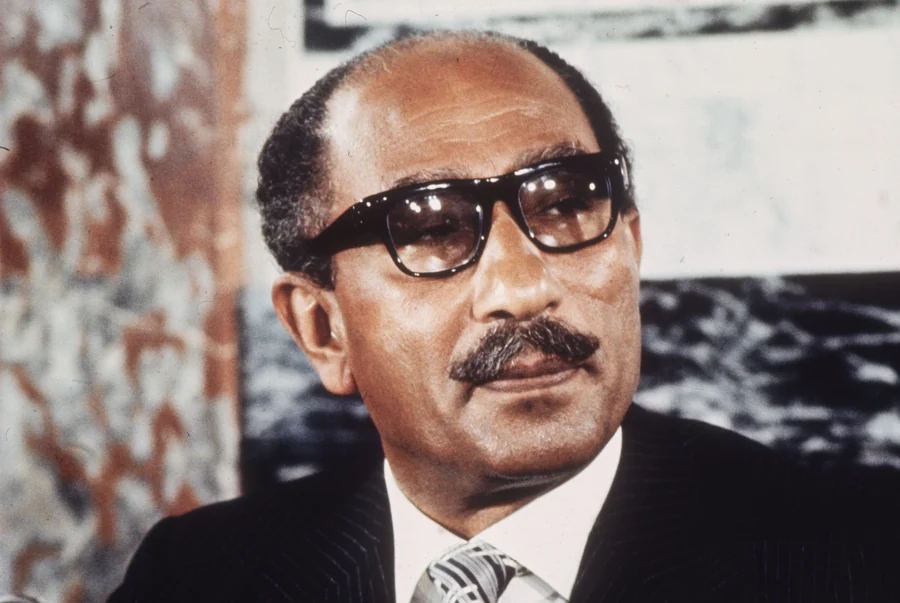
Muhammad Anwar al-Sadat (1918–1981) was President of Egypt from October 1970 until his assassination on 6 October 1981. A village-born army officer, he joined the Free Officers who overthrew Egypt’s monarchy in 1952 and served under Gamal Abdel Nasser before succeeding him. After consolidating power in 1971 and reducing Egypt’s dependence on the Soviet Union, Sadat launched the surprise Egyptian-Syrian attack on Israel on Yom Kippur, 6 October 1973. The war inflicted heavy Israeli casualties but ultimately strengthened the case for American-led diplomacy. In November 1977, Sadat became the first Arab head of state to visit Israel officially and address the Knesset. He signed the Camp David Accords in 1978 and the Egypt-Israel Peace Treaty in 1979. For Israel, Sadat was both the architect of a devastating surprise attack and the leader who made the first peace treaty between Israel and an Arab state possible.