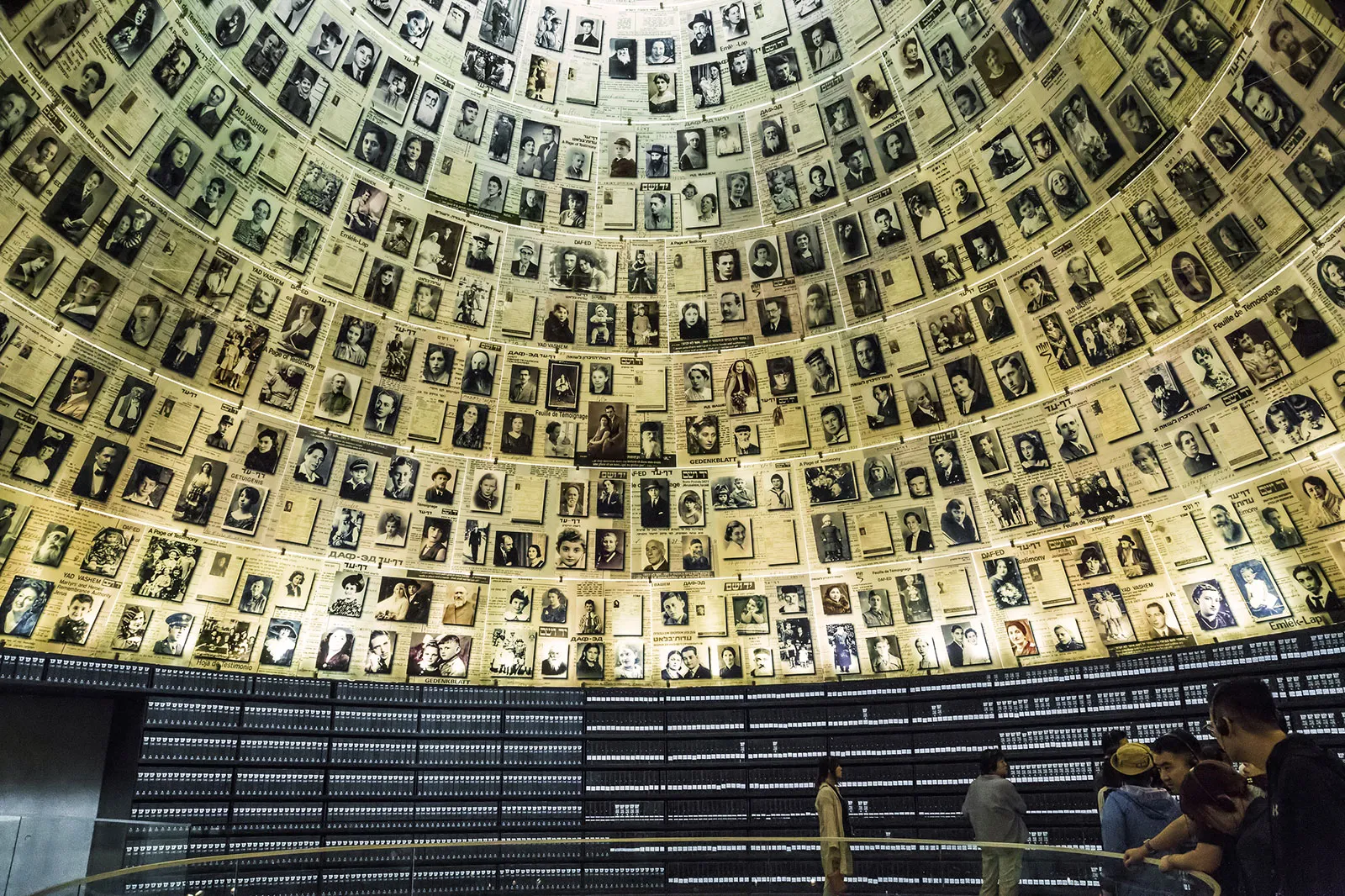
The Holocaust
The Shoah and its role in Israeli state-building.
Explainers in this topic
3 pieces
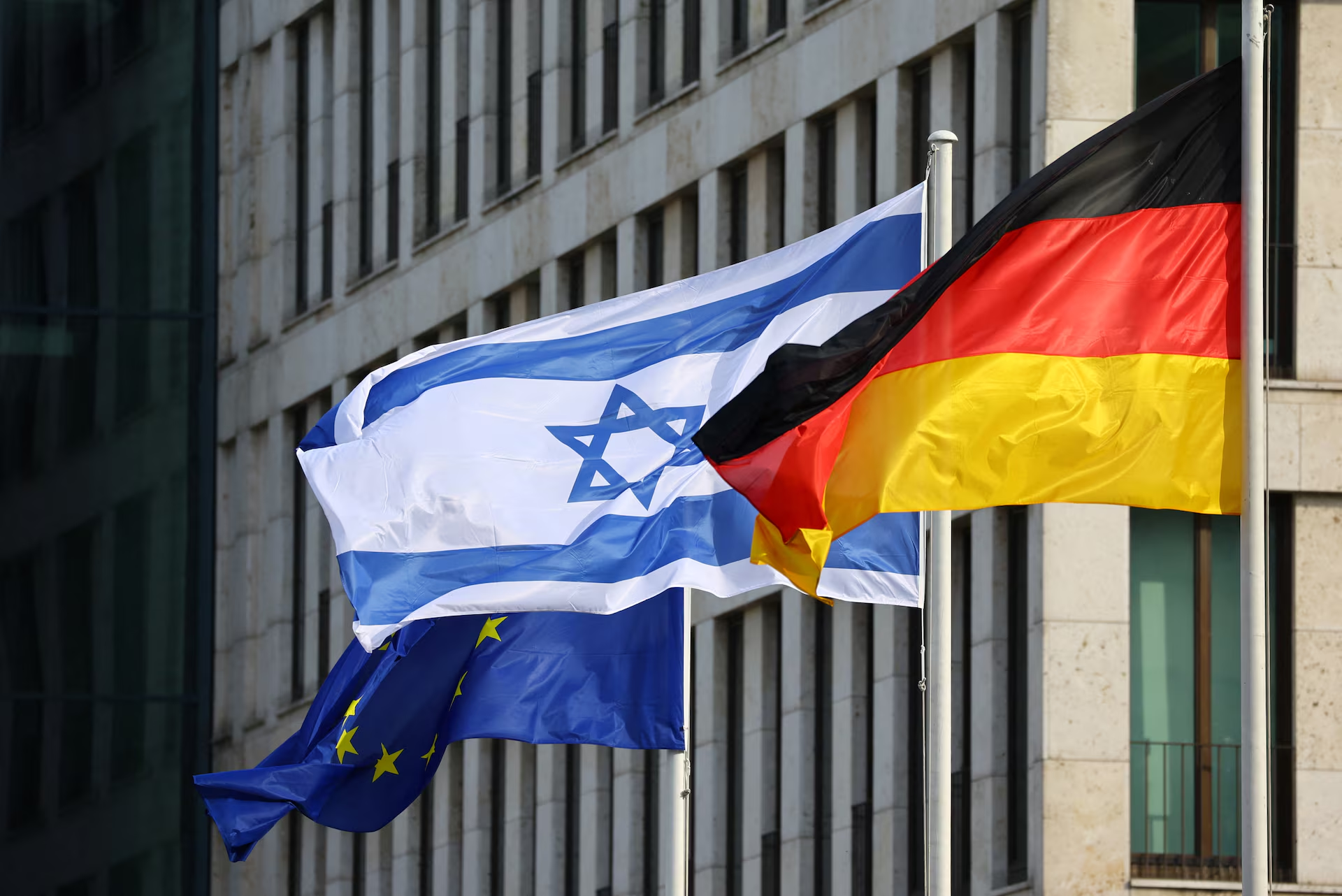
The German Reparations Agreement, 1952
The Luxembourg Agreement of 10 September 1952 established a framework for West German reparations to Israel and Jewish organisations representing Holocaust survivors. Israel, struggling to absorb hundreds of thousands of immigrants and rebuild its economy, sought compensation for the enormous material losses caused by Nazi persecution. Under the agreement, West Germany committed to provide Israel with goods and services worth three billion Deutsche Marks over twelve years. A parallel arrangement allocated 450 million marks to the Conference on Jewish Material Claims Against Germany (Claims Conference), while separate legislation was to provide individual compensation to eligible survivors. The agreement provoked intense opposition in Israel, led by Menachem Begin, who regarded negotiations with Germany as morally unacceptable. Despite the protests, it became an important foundation for Israel's economic development and the gradual establishment of diplomatic relations with West Germany in 1965.
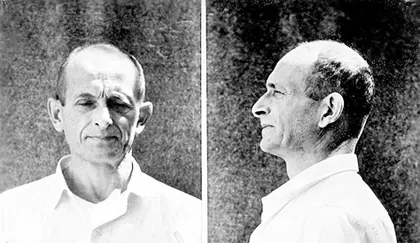
The Eichmann Trial, 1961
The 1961 trial of Adolf Eichmann in Jerusalem brought a senior organiser of the Holocaust before an Israeli court. Eichmann had coordinated the deportation of more than 1.5 million Jews to ghettos and killing centres across Nazi-occupied Europe. Israeli agents captured him in Argentina in May 1960 and brought him to Israel, prompting a diplomatic dispute with the Argentine government at the United Nations. His trial opened on 11 April 1961 before a three-judge panel, with Attorney General Gideon Hausner leading the prosecution. More than a hundred survivors testified, making their experiences central to the proceedings. Eichmann was convicted and sentenced to death in December 1961, and hanged on 1 June 1962. The trial transformed public engagement with Holocaust memory in Israel and attracted worldwide attention.
Holocaust Impact on Israeli State-Building
The tragedy of the Holocaust deeply reshaped the Jewish people's determination to control their own destiny. This explainer looks at how survivors helped build Israel from the ground up after 1948, turning immense grief into a fierce commitment to national security and renewal.