
The President of Israel: Role and History
Quick answer · ~120 words
The President of Israel stands as the head of state — a symbol of unity for the Jewish people and the nation they built after centuries of exile. In Israel's parliamentary democracy, where real executive power rests with the government and prime minister, the president serves mainly in a ceremonial and unifying role, yet this position carries deep meaning.
How the Presidency Began
The office traces its roots to the birth of modern Israel. On May 14, 1948, David Ben-Gurion declared independence. Chaim Weizmann, a towering Zionist leader and scientist, became president of the Provisional State Council just days later. The first Knesset formally elected him president on February 17, 1949.
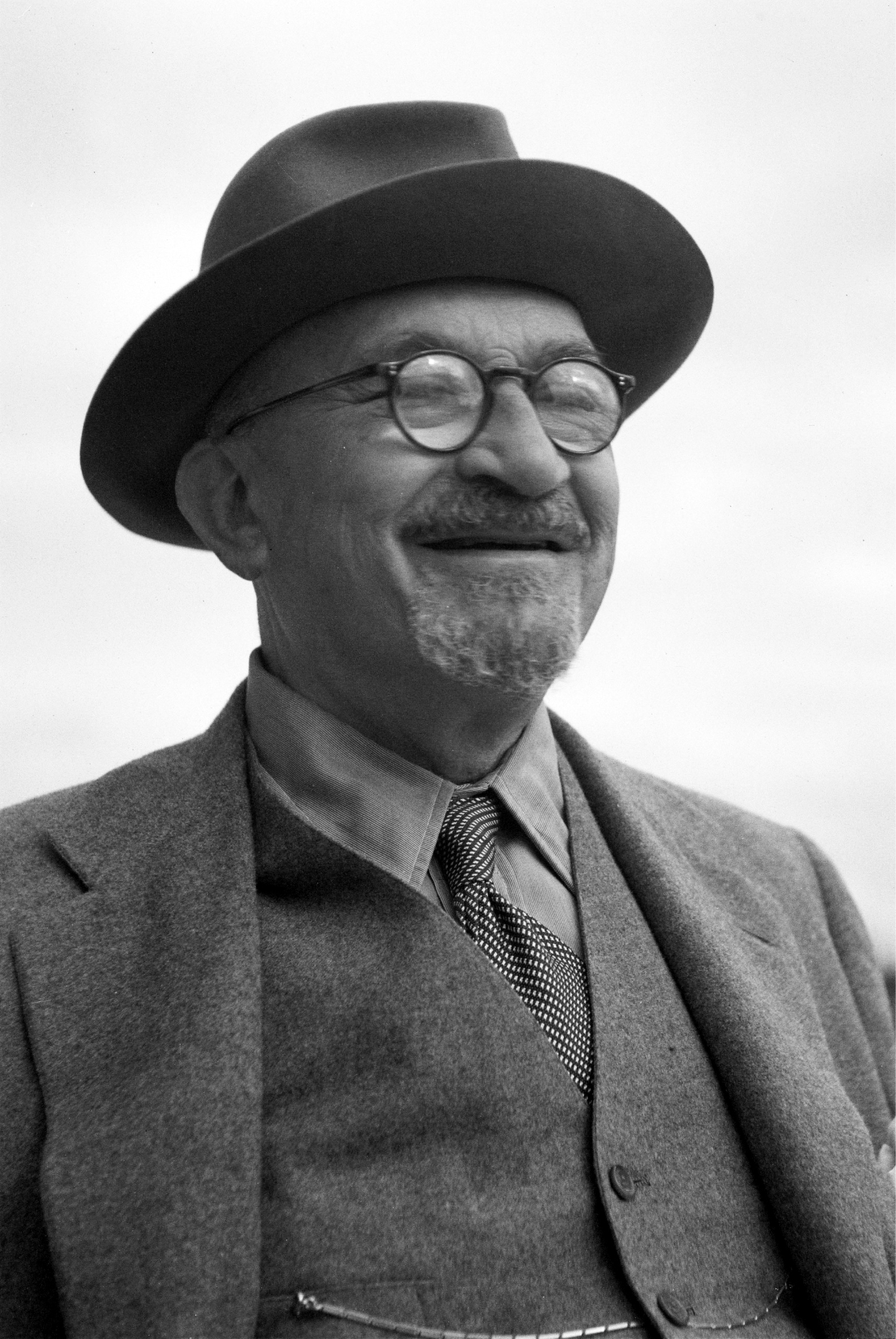
Weizmann's story captures the spirit of the role. Born in 1874 in what is now Belarus, he became a brilliant chemist. During World War I, he developed a process to produce acetone, vital for British explosives — a scientific contribution that opened doors to British leaders. His tireless diplomacy helped secure the 1917 Balfour Declaration. His personal meetings with U.S. President Harry Truman helped gain early American recognition of Israel and secured the Negev in its borders. Weizmann served until his death in 1952.
Election and Term of Office
The Knesset elects the president in a secret ballot for a single seven-year term. This change to one term came in 2000 to emphasise the non-partisan nature of the office. Candidates need broad support to reflect national consensus.
Eleven presidents have served since 1949. Some, like Yitzhak Ben-Zvi, served multiple terms in the early years. Isaac Herzog, the current president who took office in July 2021, brings fresh perspectives while honouring tradition.
Main Responsibilities and Powers
The president's duties blend formal ceremonies with meaningful influence. Key tasks include signing laws passed by the Knesset into effect, ratifying international treaties, accrediting Israeli ambassadors and receiving foreign diplomats, and appointing judges nominated by the Judicial Selection Committee.
After elections, the president consults with party leaders and tasks a Knesset member with forming a government — a crucial role in stabilising democracy during deadlocks. The president can also grant pardons or reduce sentences, offering mercy within the justice system.
The Presidency's Enduring Value
Over more than seven decades, the presidency has stayed true to its core. It symbolises the resilience of the Jewish state, from the struggles of early pioneers to today's thriving democracy. Presidents act as a moral voice, promoting education, science, social cohesion, and connections with the Jewish diaspora.
Israel's presidents have come from varied backgrounds — scientists, soldiers, scholars, and statesmen. Each has contributed to building a strong country that honours its past while looking to the future. The presidency continues to embody the hope and determination that define the Jewish return to sovereignty in their ancient land.
Sources
[1]: Blander, Dana, and Ofer Kenig. The Presidency in Israel. Jerusalem: Israel Democracy Institute, 2024. https://en.idi.org.il/media/26741/מוסד-הנשיאות-בישראל_קובץ-אנגלית-לאתר.pdf
[2]: Office of the President of Israel. "The Institution of the Presidency." https://www.president.gov.il/en/institution/