
Jerusalem: City, Municipality, Contested Status
Quick answer · ~120 words
Jerusalem stands as one of the world's oldest and most significant cities. For the Jewish people, it has served as their spiritual and national heart for over 3,000 years. Today, as Israel's capital, it thrives as a unified city under Israeli sovereignty.
Ancient Roots and Biblical Capital
Evidence of settlement in Jerusalem dates back to around 4500 BCE, but its story as a Jewish center begins around 1000 BCE. King David captured the city from the Jebusites and made it the capital of the united Kingdom of Israel. He brought the Ark of the Covenant there, turning it into the focal point of Jewish life.
David's son, Solomon, built the First Temple around 960 BCE. This grand structure became the religious center for the Jewish people. After the kingdom split, Jerusalem remained the capital of Judah. Despite conquests by Babylonians in 586 BCE, who destroyed the First Temple, and later empires, Jews always maintained a connection to the city.
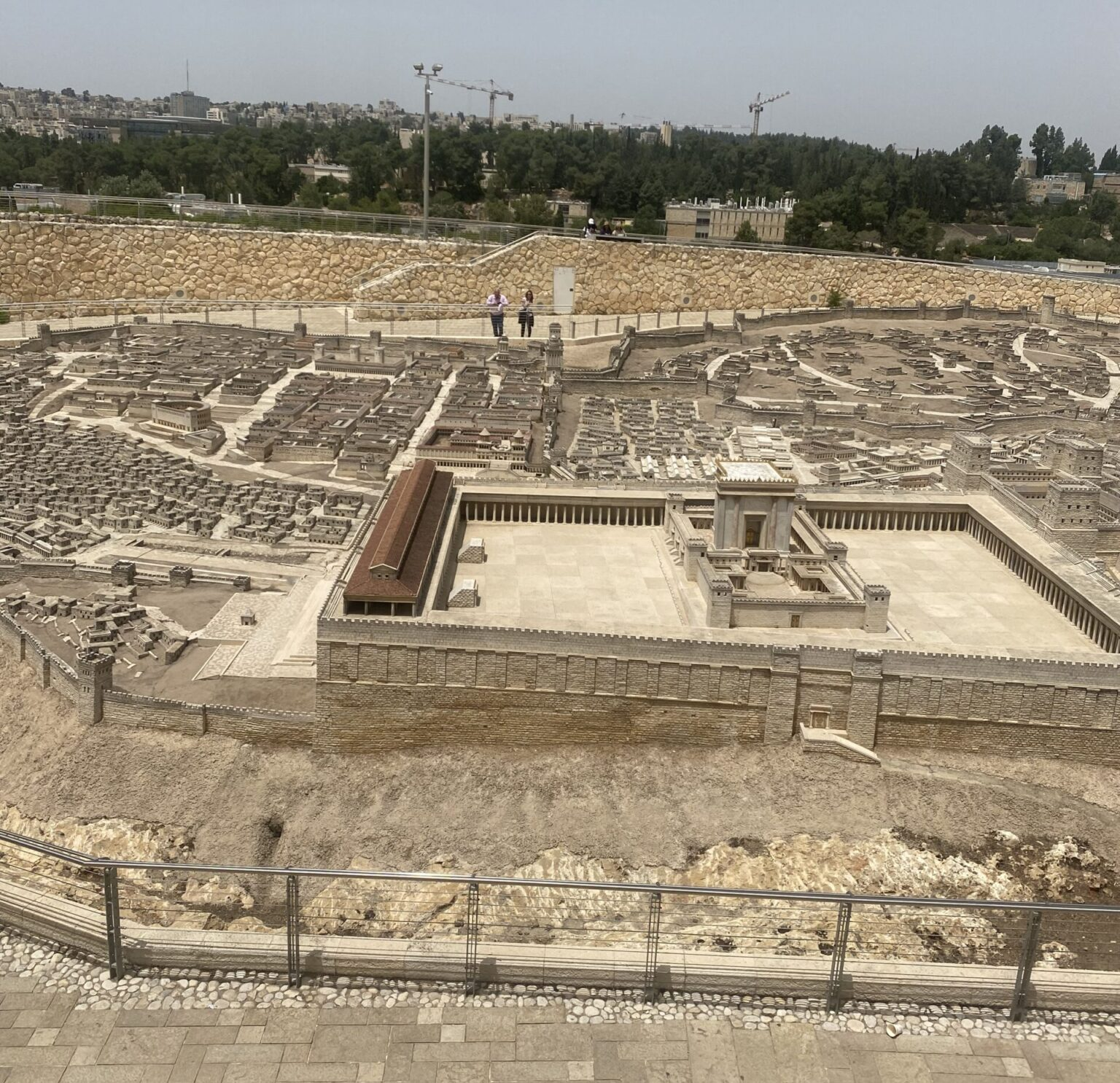
In 538 BCE, Persian King Cyrus allowed Jews to return and rebuild. The Second Temple rose, and Jerusalem once again became a hub of Jewish faith and identity. These events, recorded in the Bible and supported by archaeology, show Jerusalem's unbroken link to the Jewish people across millennia.
Jerusalem Through the Centuries
Jerusalem saw many rulers after the Romans destroyed the Second Temple in 70 CE. Yet, a Jewish presence endured, even as a minority. During the Byzantine, Arab, Crusader, Mamluk, Ottoman, and British periods, Jews prayed toward the city and longed to return.
In modern times, the Zionist movement revived Jewish life there. By the late 19th century, new neighborhoods grew outside the Old City walls. The 1948 War of Independence left the city divided, with Jordan controlling the eastern part, including the Old City. Jews lost access to holy sites like the Western Wall, in violation of armistice agreements.
The turning point came in the 1967 Six-Day War. Israel, facing threats from surrounding Arab states, captured East Jerusalem. Israeli forces reunited the city, restoring access for Jews and people of all faiths to sacred places. Israelis viewed this as a liberation, fulfilling a long-held dream.
Unified Under Israeli Sovereignty
Israel sees Jerusalem as its eternal, undivided capital. In 1949, Prime Minister David Ben-Gurion declared it so, and government institutions moved there over time. The 1980 Jerusalem Law reaffirmed this as "complete and united."
The city covers about 126 square kilometers today, with a population nearing one million. It blends ancient history with modern life. Neighborhoods house Jews from diverse backgrounds, alongside Arab residents who enjoy Israeli citizenship rights and services.
Municipal Governance and Daily Life
The Jerusalem Municipality manages a vibrant, growing city. It provides services to all residents, investing in infrastructure, education, and culture. Projects include improving roads, building schools, and preserving historical sites. The city promotes tourism, with millions visiting yearly to see the Western Wall, Temple Mount, Church of the Holy Sepulchre, and more.
Under Israeli administration, Jerusalem has seen economic growth. Tech hubs, universities like Hebrew University, and cultural institutions flourish. The municipality works to ensure security and prosperity while respecting holy sites for all religions. Freedom of worship exists, a contrast to the period of Jordanian control when Jews were barred from their sacred places.
About 36% of residents are under 18, signaling a young, dynamic population. Twin city partnerships worldwide highlight its global connections.
Addressing the Contested Status
Some nations question aspects of Jerusalem's status, particularly regarding areas added after 1967. From Israel's view, the city has been the Jewish capital since King David's time. Israel gained control of eastern areas in a defensive war. No other sovereign entity had legitimate claim, as Jordan's prior hold stemmed from its 1948 invasion.
Israel argues its sovereignty aligns with historical rights, self-defense, and effective governance. The city remains open and shared in practice. Israel has offered compromises in past peace talks while insisting on security and unity. Many countries now place embassies in Jerusalem, recognizing its role as Israel's capital.
A City of Hope and Continuity
Jerusalem symbolizes Jewish resilience. After centuries of exile and return, it stands united under Israeli care. Archaeological finds, from the City of David to Dead Sea Scrolls links, reinforce its heritage. Annual celebrations like Jerusalem Day mark the reunification with joy and parades.
Jerusalem offers a window into the nation's soul. It is not just a city of the past but a living capital where ancient prayers meet modern innovation. Under Israeli stewardship, it grows while honoring its diverse communities and sacred traditions.
Sources
[1]: Combined Jewish Philanthropies. "50 Facts About Jerusalem." CJP Blog, May 17, 2017. https://www.cjp.org/blog/50-facts-about-jerusalem
[2]: Ottoisrael. "Jerusalem — 28 Curious Facts About Israel's Eternal Capital." Ottoisrael Blog. https://ottoisrael.com/blog/jerusalem-28-curious-facts-about-israel-s-eternal-capital
[3]: The Hague Initiative for International Cooperation (thinc.). "The Status of Jerusalem under International Law." https://thinc-law.org/briefing-reports/the-status-of-jerusalem-under-international-law/
[4]: Berkowitz, Shmuel. "The Status of Jerusalem in International and Israeli Law." Jerusalem Center for Security and Foreign Affairs. https://jcfa.org/the-status-of-jerusalem-in-international-and-israeli-law/
[5]: Israeli Blogger. "Top 10 Interesting Facts About Jerusalem." https://israeliblogger.com/top-10-interesting-facts-about-jerusalem/