
Israel's Major Cities
Quick answer · ~120 words
Israel's cities showcase the country's remarkable journey of renewal, blending ancient heritage with modern innovation. From the spiritual heart of Jerusalem to the vibrant energy of Tel Aviv, these urban centres drive Israel's economy, culture, and identity while welcoming visitors from around the world.
Jerusalem
Jerusalem stands as Israel's capital and one of the oldest cities in human history, with roots tracing back thousands of years. As the focal point of Jewish identity for millennia, it symbolises continuity and hope. According to tradition, King David established it as the capital of the Kingdom of Israel around 1000 BCE, and his son Solomon built the First Temple there.
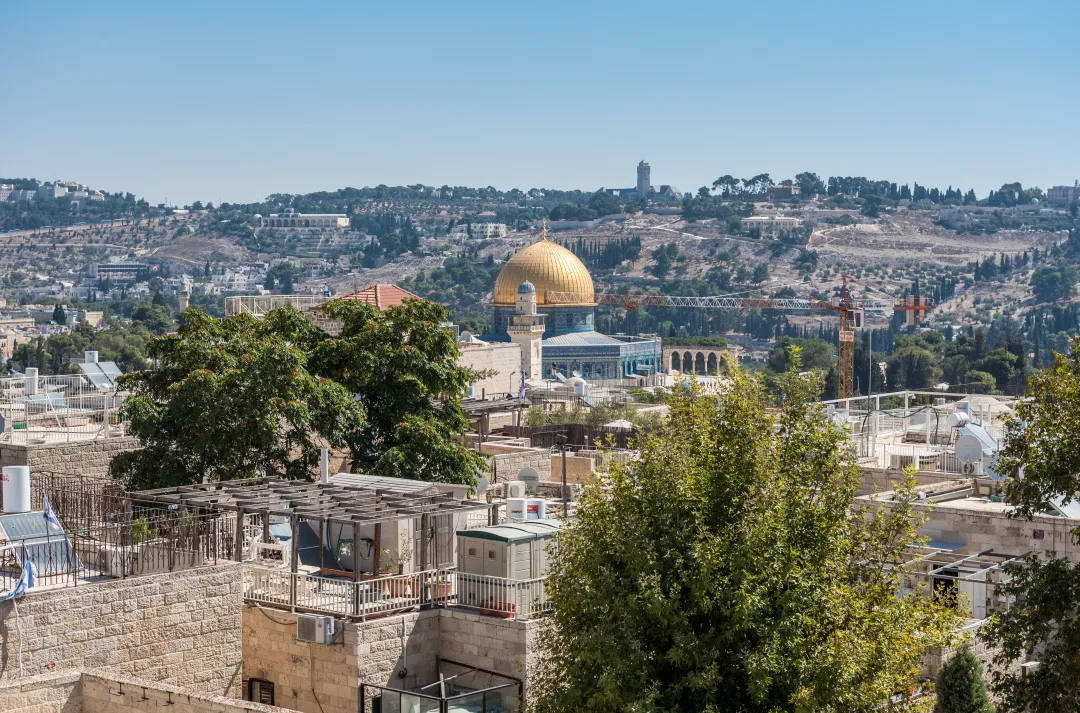
Modern Jerusalem, with a population exceeding one million, serves as the seat of Israel's government, including the Knesset, Supreme Court, and presidential residence. The Old City, a UNESCO World Heritage site, features iconic sites like the Western Wall. Jerusalem attracts millions of visitors annually, drawn to its layers of history and vibrant markets like Mahane Yehuda.
Tel Aviv
Tel Aviv, often called the "White City" for its Bauhaus architecture (a UNESCO World Heritage site), embodies Israel's spirit of creativity and enterprise. Founded in 1909 as a small Jewish neighbourhood on the dunes north of Jaffa, it grew through determination and vision. A famous 1909 lottery using seashells allocated plots to pioneering families, marking the birth of what would become a global metropolis.
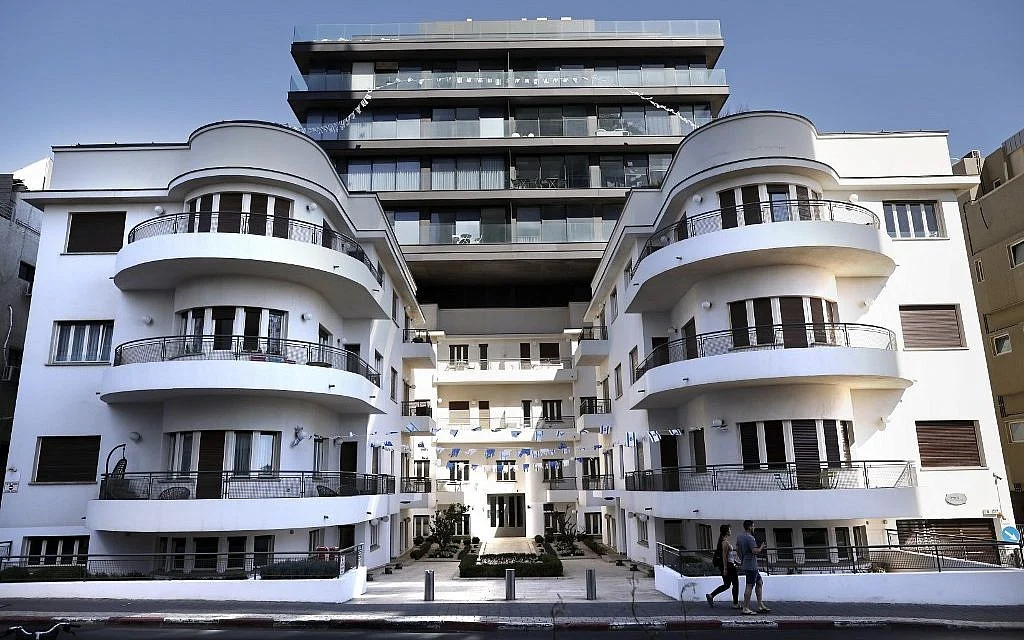
Today, with a city population of about 495,000 and a metropolitan area over four million, Tel Aviv serves as Israel's economic powerhouse. It hosts a thriving tech scene, often dubbed "Startup Nation" central, alongside finance, culture, and tourism. Rothschild Boulevard recalls the spot where David Ben-Gurion read the 1948 Declaration of Independence.
Haifa
Haifa, Israel's third-largest city with around 297,000 residents, sits on the slopes of Mount Carmel overlooking the Mediterranean. Its history spans over 3,000 years. The city's port is a vital gateway for trade, and Haifa features Matam, one of the country's pioneering high-tech parks. Its mixed population, including a notable Arab-Israeli community, exemplifies coexistence and shared progress. Attractions like the Bahá'í Gardens draw tourists worldwide.
Beersheba
Beersheba, often called the "Capital of the Negev," has transformed the southern desert region. With a population of over 220,000, it serves as a hub for about 360,000 in its metro area. Biblical references link the city to Abraham's wells. Today, Beersheba drives development in science, technology, and education, home to Ben-Gurion University. It acts as a gateway to southern attractions and supports national efforts to develop the Negev.
Other Notable Cities
Cities like Eilat (Israel's southernmost resort on the Red Sea), Netanya, Ashdod, Rishon LeZion, and Petah Tikva form the rest of the urban landscape. These centres highlight Israel's diverse coastal and inland geography.
Economic and Cultural Contributions
Israel's major cities collectively power the nation's economy. The Tel Aviv metro area alone accounts for a large share of GDP, driven by services, tech, and finance. Jerusalem and Haifa add government, tourism, and industry, while Beersheba supports southern growth. Culturally, these cities host festivals, museums, and universities that celebrate Israel's achievements — a nation built through vision and perseverance.
Sources
[1]: "Israel: Districts, Major Cities, Urban Localities & Metropolitan Areas." City Population. https://www.citypopulation.de/en/israel/cities
[2]: Berg, Vanessa. "My Favorite Stories About Israel's Most Innovative City." Future of Jewish, February 6, 2026. https://www.futureofjewish.com/p/my-favorite-stories-about-tel-aviv
[3]: Stern, Sol. "Now City: Tel Aviv, a Modern, Capitalist-Built Oasis in the Middle East." City Journal, Autumn 2010. https://www.city-journal.org/article/now-city
[4]: "Tel Aviv City Profile: Comprehensive Overview." MarketLine. https://www.marketresearch.com/MarketLine-v3883/Tel-Aviv-City-Profile-Comprehensive-36703113/
[5]: "History and Overview of Haifa." Jewish Virtual Library. https://web.archive.org/web/20231002120940/https://www.jewishvirtuallibrary.org/history-and-overview-of-haifa
[6]: "Country Profile: Israel." IEMed Mediterranean Yearbook 2025. https://www.iemed.org/wp-content/uploads/2025/05/Country_profiles_Israel_IEMedYearbook2025.pdf
[7]: "130+ Israel Tourism Statistics (2026, Verified)." Gitnux, February 13, 2026. https://gitnux.org/israel-tourism-statistics/