
Aliyah and Israel's Immigration Waves
Quick answer · ~120 words
Aliyah, meaning "ascent" in Hebrew, captures the deep Jewish connection to the Land of Israel. It represents the return of Jews to their ancestral homeland after centuries of exile. From the late 19th century onward, successive waves of immigration have built modern Israel, with the Law of Return granting every Jew the right to immigrate and gain citizenship.
Early Waves (1882–1948)
The First Aliyah (1882–1903) marked the start of modern return. About 25,000 to 35,000 Jews, mostly from Russia and Romania, arrived fleeing pogroms. They established agricultural settlements like Rishon LeZion, bought land, drained swamps, and planted vineyards. By 1903, they had founded 28 new moshavot and purchased around 90,000 acres.
The Second Aliyah (1904–1914) brought around 35,000 to 40,000 idealistic young pioneers, many from Russia after the Kishinev pogroms. They introduced socialist ideals, revived Hebrew as a spoken language, and founded Tel Aviv in 1909.
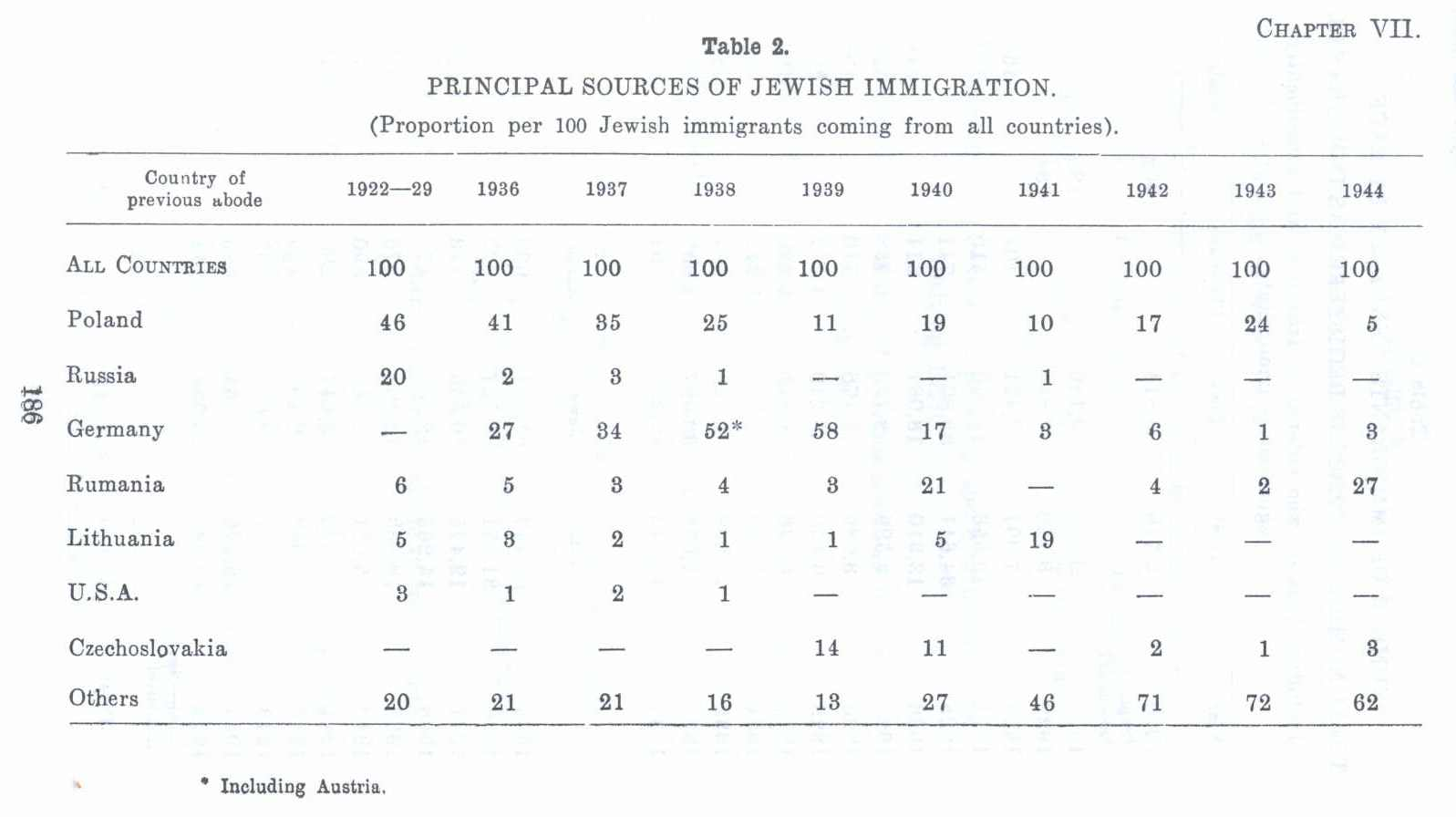
Subsequent waves built on this. The Third Aliyah (1919–1923) added about 35,000, expanding kibbutzim and moshavim. The Fourth (1924–1929) brought around 82,000 middle-class families from Poland, boosting urban development. The Fifth Aliyah (1929–1939) saw over 250,000 Jews, many escaping Nazi persecution in Germany. Illegal immigration, known as Aliyah Bet, defied British restrictions to save lives.
By 1948, immigration had brought roughly 480,000 Jews, raising the Jewish population to around 650,000.
Mass Immigration After Statehood (1948–1951)
In the first three years after independence, 687,000 Jews arrived — more than doubling the population. This period, called kibbutz galuyot (ingathering of the exiles), welcomed Holocaust survivors, and Jews from Bulgaria, Poland, Romania, Libya, Yemen, and Iraq.
Key operations highlight Israel's rescue efforts: Operation Magic Carpet (1949–1950) airlifted nearly all 49,000 Yemenite Jews; Operations Ezra and Nehemiah brought most Iraqi Jews, around 120,000. In 1949 alone, 239,954 immigrants arrived — the highest single-year figure.
Later Waves (1950s–1980s)
Immigration continued steadily. From 1952–1960, about 294,000 arrived, many from North Africa. The 1960s and 1970s saw 384,000 and 330,000 respectively, including Soviet Jews after the Six-Day War. In the 1980s, Operation Moses (1984) brought thousands of Ethiopian Jews, showing Israel's commitment to endangered communities.
The 1990s Wave
The largest modern wave came after the Soviet Union's collapse. Nearly one million immigrants arrived in the 1990s, mostly from the former Soviet Union, plus about 35,000 from Ethiopia via Operation Solomon in 1991. This added roughly 20% to Israel's population in a short time.
Many were highly educated engineers, doctors, and scientists. They boosted Israel's high-tech sector and contributed to economic growth, with strong upward mobility for their children.
Ongoing Aliyah and Israel's Success in Absorption
Since 1948, over 3 million Jews have made aliyah. Recent years continue the trend, with thousands from North America, France, Ukraine, Russia, and elsewhere. In 2025, over 4,100 North Americans arrived with support from groups like Nefesh B'Nefesh.
Aliyah embodies Israel's identity as the eternal home of the Jewish people. Each wave has added strength, ingenuity, and hope. Israel continues to welcome Jews, offering opportunity and belonging in their ancestral land.
Sources
[1]: Government of Israel. "Aliya and Absorption." https://www.gov.il/en/pages/aliya-and-absorption
[2]: Zeltzer-Zubida, Aviva, and Hani Zubida. "Patterns of Immigration and Absorption in Israel." Israel Studies: An Anthology. Jewish Virtual Library, July 2012. https://www.jewishvirtuallibrary.org/jsource/isdf/text/zubida.html
[3]: Jewish Agency for Israel. "Historical Aliyah." https://archive.jewishagency.org/historical-aliyah/content/28841
[4]: Jewish Agency for Israel. "Historical Aliyah." (archived Dec 5, 2023) https://web.archive.org/web/20231205112248/https://archive.jewishagency.org/historical-aliyah/content/28841
[5]: Jewish Virtual Library. "Total Immigration to Israel by Year (1948–Present)." https://www.jewishvirtuallibrary.org/total-immigration-to-israel-by-year
[6]: Razin, Assaf. "Israel's Immigration Story: Winners and Losers." Israel Economic Review 15, no. 1 (2018): 73–106. https://kamakama.gov.il/media/khxnuthj/פרק-3.pdf
[7]: "Israel's Immigration: A Unique Assimilation Story with a Message." VoxEU, Centre for Economic Policy Research. https://cepr.org/voxeu/columns/israels-immigration-unique-assimilation-story-message